Construction Equipment
 Cranes
 Material Handling
 Trucks & Trailers
 Vehicles
 Agricultural Equipment
 Live Auctions


Post Date:
Jun 09, 2026
|

Hydraulic Systems & Insufficient Maintenance
Hydraulic Systems & Insufficient Maintenance
Post Date:
Jun 09, 2026
|
Brought to you by
Causes of Damage in Hydraulic Systems of Heavy Machinery
Hydraulic Oil Contamination
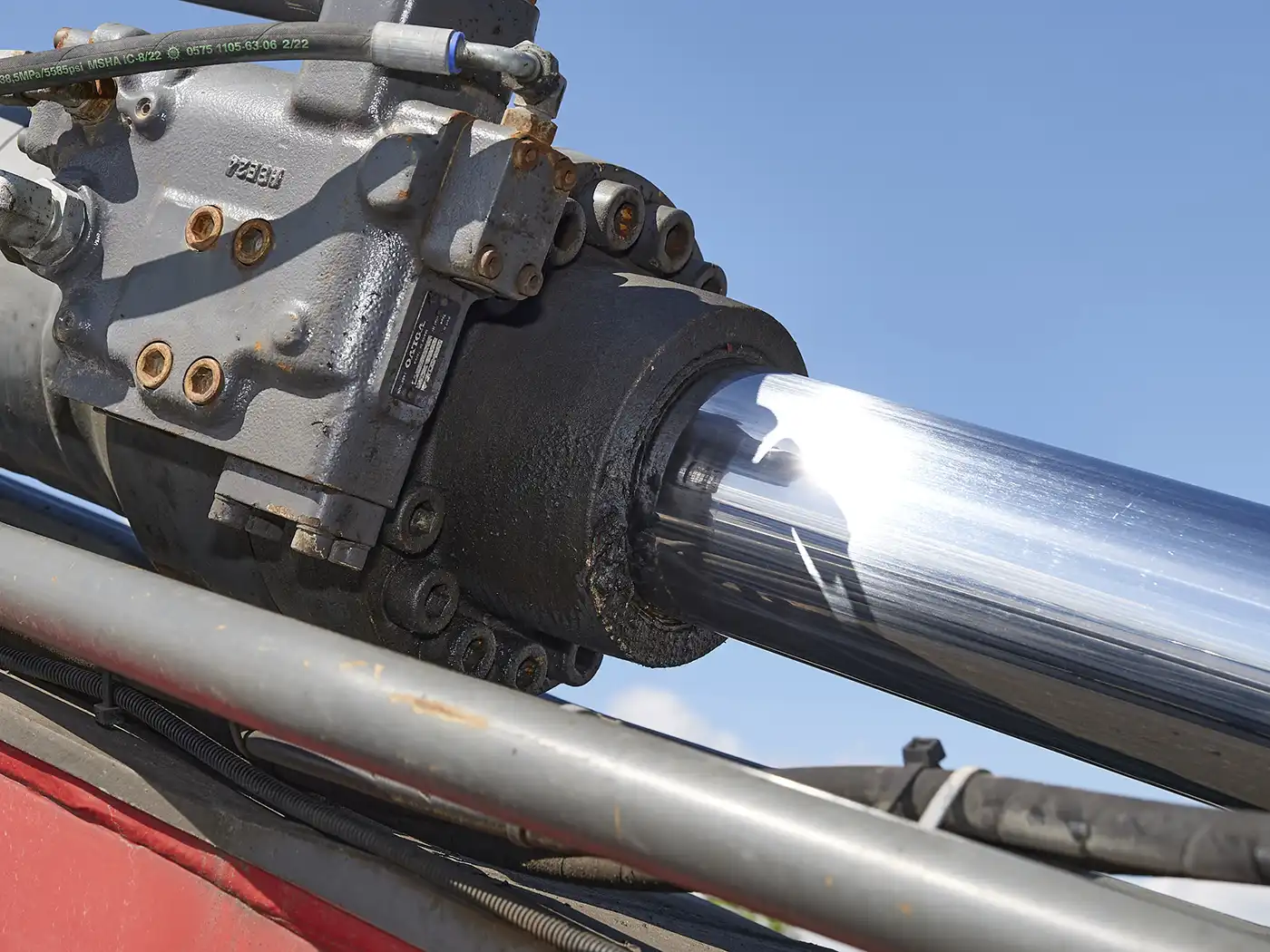
Construction equipment often operates in dusty and dirty environments. When the chrome-plated piston rods of hydraulic cylinders become wet with water or oil while extended, dust can easily adhere to their surfaces. During cylinder retraction, dirt particles and moisture may be carried into the hydraulic system, especially if wiper seals or rod seals are worn or damaged.
For this reason, the condition of wiper seals and other sealing elements should be inspected regularly. In some regions, piston rods are protected by bellows covers. However, this solution is often impractical under many operating conditions.
Clogged Filters
Serious problems can arise when the recommended service intervals for hydraulic filters are exceeded. Filters, particularly those installed in suction lines, are equipped with bypass valves designed to prevent excessive restriction of oil flow caused by filter contamination. A reduced oil supply to the hydraulic pump can result in cavitation and, over time, severe component damage.
When bypass valves remain open for extended periods, part of the hydraulic oil bypasses the filter element and circulates through the system unfiltered. As a result, dirt particles and water remain in circulation, leading to corrosion, accelerated wear, and premature aging and embrittlement of seals and packing elements in hydraulic cylinders.
Wear of Control Valves and Pressure Relief Valves
Continuous contamination of hydraulic oil also accelerates wear in pressure relief valves and control valve assemblies. As wear progresses, these components may no longer close properly. The consequences include reduced system performance, increased energy consumption, and the same wear-related and leakage issues described above.
Cavitation
1. Physical Principles
Cavitation begins with the formation of vapor bubbles. When the pressure in a specific area of a hydraulic system falls below the vapor pressure of the fluid, the fluid begins to vaporize locally, forming vapor bubbles. This process is similar to boiling but is caused by a pressure drop rather than elevated temperature.
The vapor bubbles created by cavitation are unstable. As they move into regions of higher pressure, they collapse suddenly. This collapse releases significant energy, generating pressure shocks and shock waves within the fluid. The rapid transition from bubble formation to bubble collapse is the defining characteristic of cavitation.
2. Effects of Cavitation
Cavitation significantly reduces the efficiency of hydraulic pumps. Vapor bubbles disrupt the smooth flow of oil through the pump, resulting in reduced flow rate and lower efficiency. At the same time, energy consumption increases. The pressure spikes generated during bubble collapse can also cause material erosion and accelerated wear of pump components.
Mixing Different Hydraulic Oils
Hydraulic oils contain additives designed to improve specific performance characteristics. These may include viscosity modifiers, antioxidants, and corrosion inhibitors.
Because different hydraulic oils may contain different additive packages, compatibility issues can arise when oils are mixed. Undesirable chemical interactions may reduce lubrication and protective properties. In addition, seals and packing materials may become brittle, shortening their service life.
Temperature-Related Stress
Operating hydraulic oil outside its intended temperature range accelerates oil aging and oxidation. In addition, lubricant film breakdown or cavitation may occur. Both conditions lead to significantly increased wear of pumps, valves, and hydraulic cylinders.
How to Detect Problems
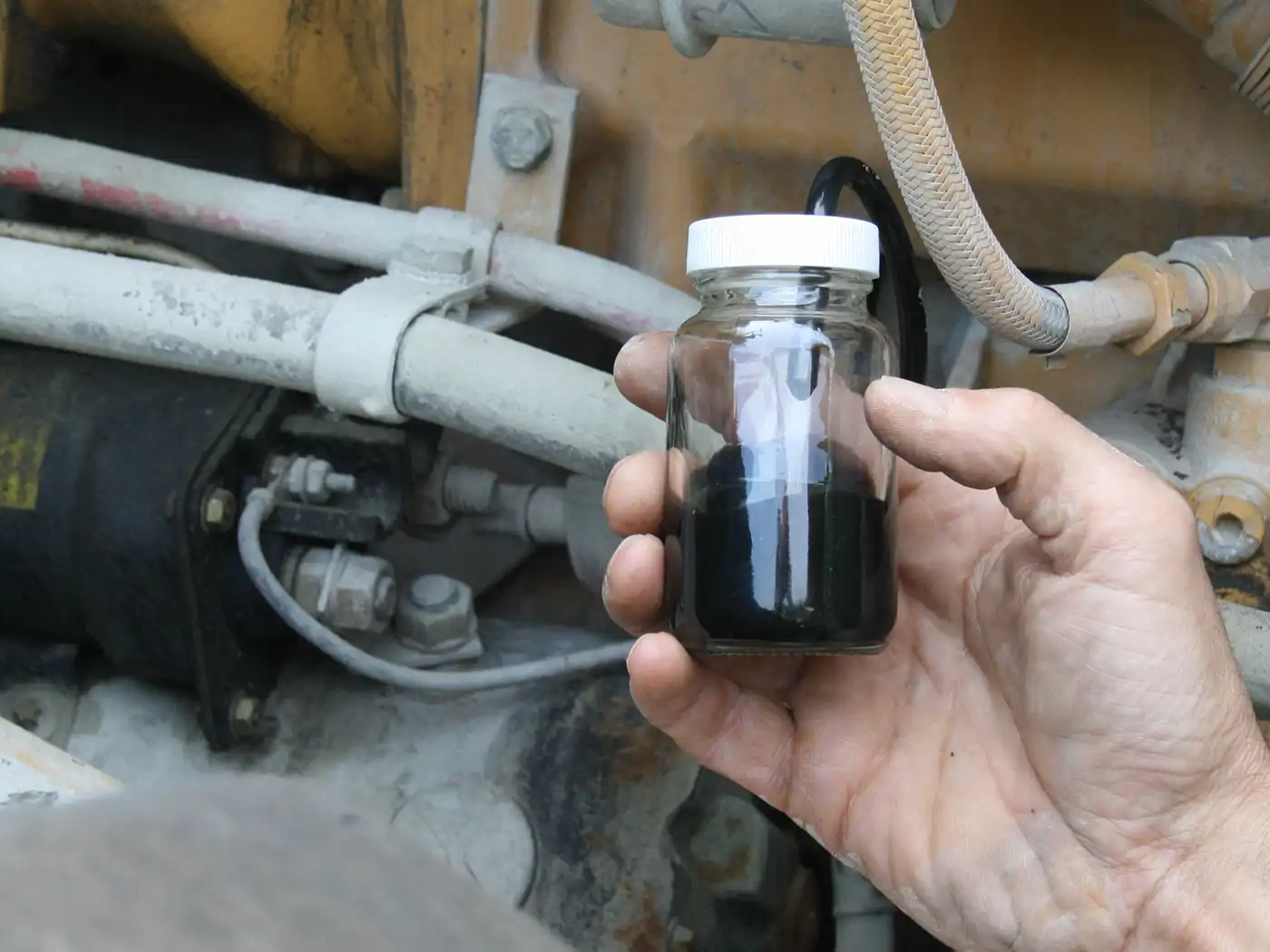
Hydraulic oil should be inspected visually on a regular basis. Dark discoloration may be an early indication of contamination or oil degradation.
Routine oil analysis performed by certified laboratories can provide valuable information about the condition of the hydraulic system and help identify potential failures before they occur.
The oil level should always remain within the limits specified by the equipment manufacturer. Experienced operators are also familiar with the normal operating sounds of their machines. Unusual whining, squealing, or howling noises can be important warning signs of hydraulic system problems.
Preventive Measures
The following measures can help extend the service life of hydraulic oil and hydraulic components:
- Regular inspection of hydraulic oil levels
- Prompt replenishment using approved and compatible hydraulic oil
- Adherence to manufacturer-recommended maintenance intervals for oil and filters
- Fine filtration of contaminated hydraulic oil
- Installation of additional oil coolers where operating temperatures are consistently high
- Regular oil condition monitoring and laboratory analysis
- Inspection and timely replacement of seals and wiper rings
- Maintaining cleanliness during maintenance and repair work on the hydraulic system
Summary
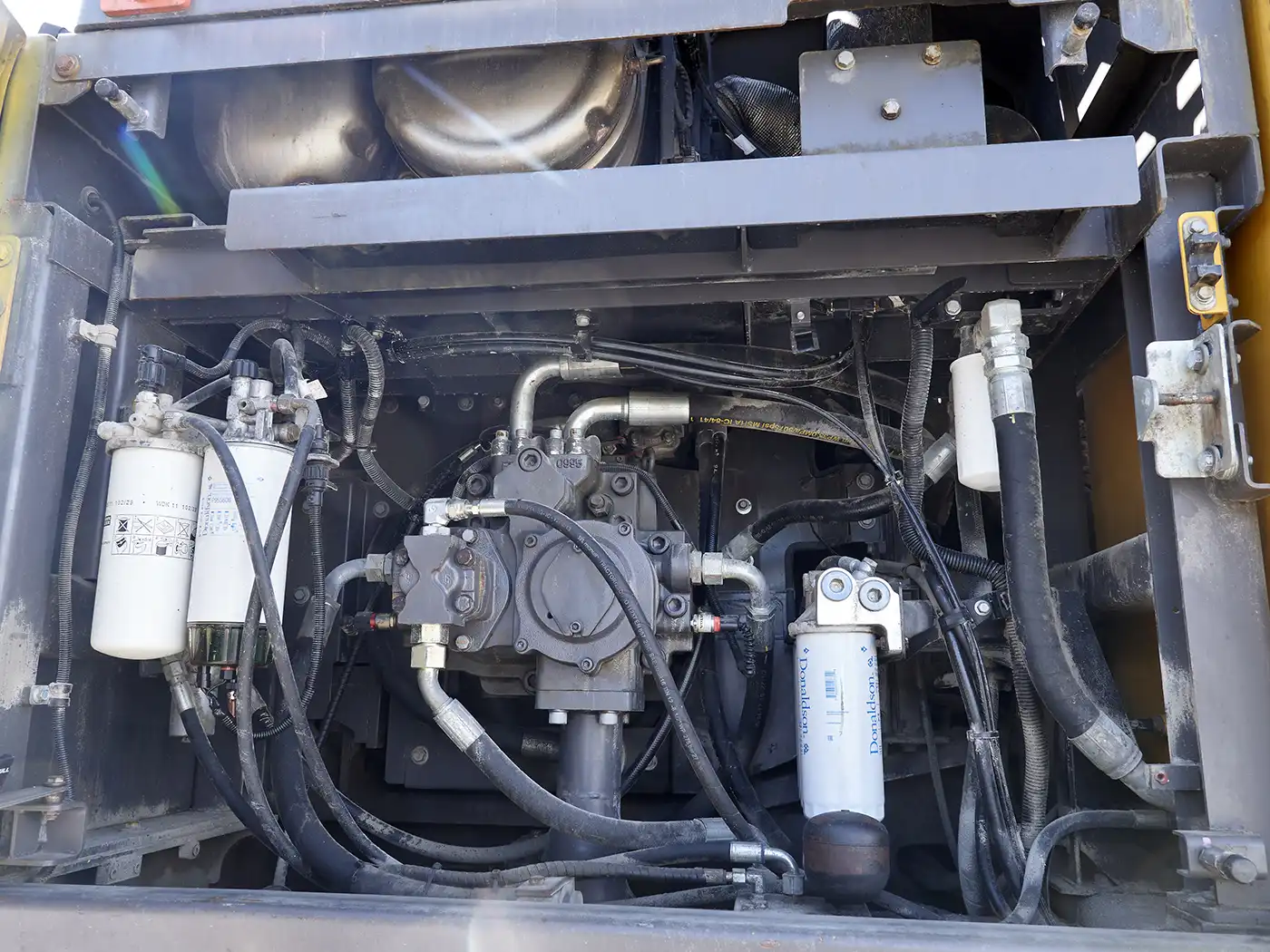
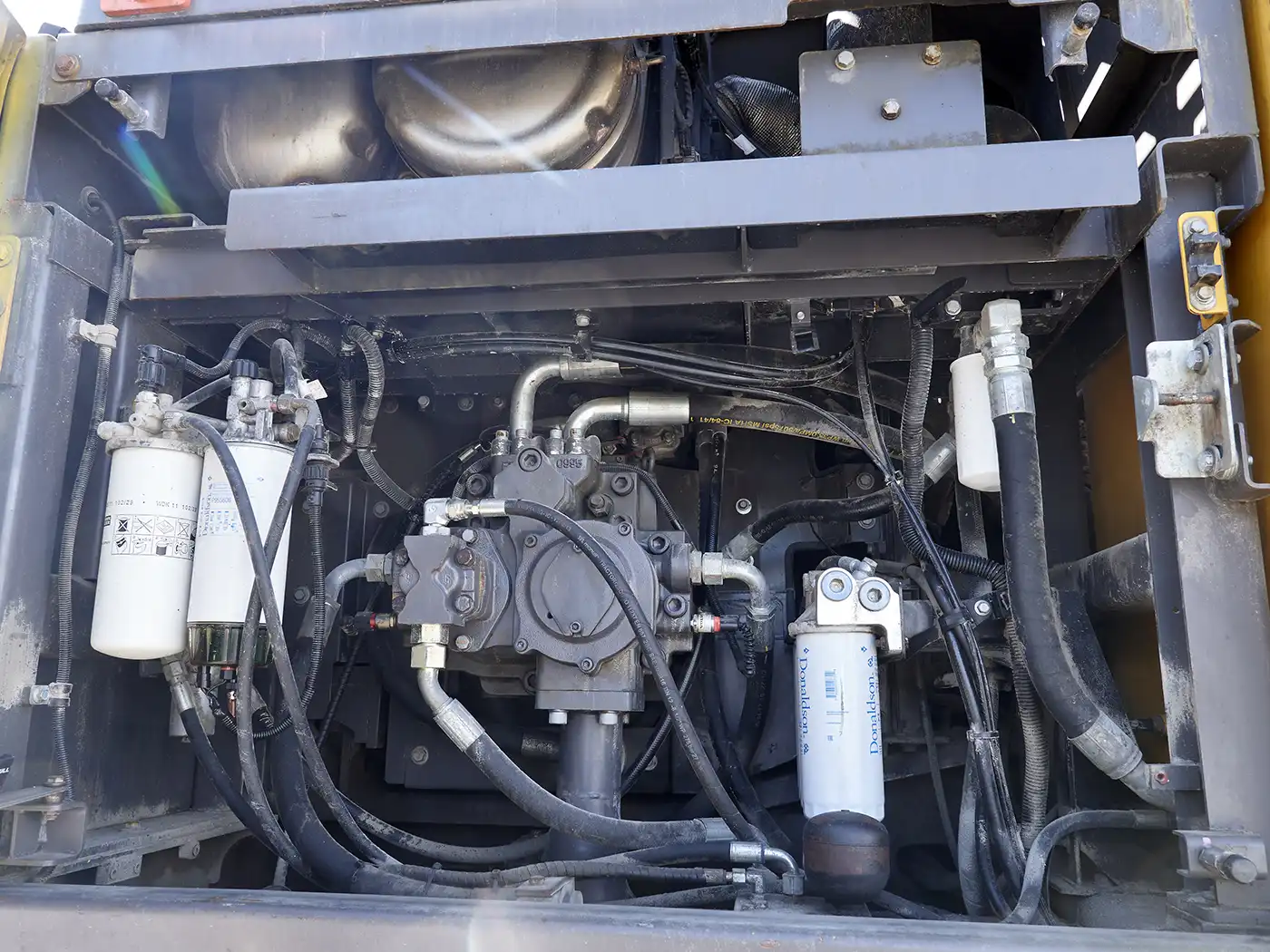
Hydraulic systems in construction equipment are exposed to demanding operating conditions and high mechanical stress. Insufficient maintenance, contaminated hydraulic oil, clogged filters, cavitation, and the mixing of different hydraulic oils can lead to increased wear, corrosion, and system malfunctions. Regular maintenance, adherence to oil and filter replacement intervals, and continuous monitoring of oil condition are essential to maximize component life and prevent costly downtime. Preventive measures help ensure the reliability, efficiency, and long-term performance of hydraulic systems.
Sponsored by
MEVAS is your independent service partner for the inspection of construction machinery. Our service is inspection at the highest technical level for all types of larger machinery. Have used heavy equipment inspected by a third party before you buy it. Available in more than 25 countries.


Sponsored by
MEVAS is your independent service partner for the inspection of construction machinery. Our service is inspection at the highest technical level for all types of larger machinery. Have used heavy equipment inspected by a third party before you buy it. Available in more than 25 countries.
This article was written and sponsored by MEVAS Global Heavy Machinery Inspections.
To feature your business in sponsored content, contact: [email protected]

Message Today