



New UAE–Saudi Trade Routes Are Changing Heavy Equipment Logistics In The Middle East
 0 likes
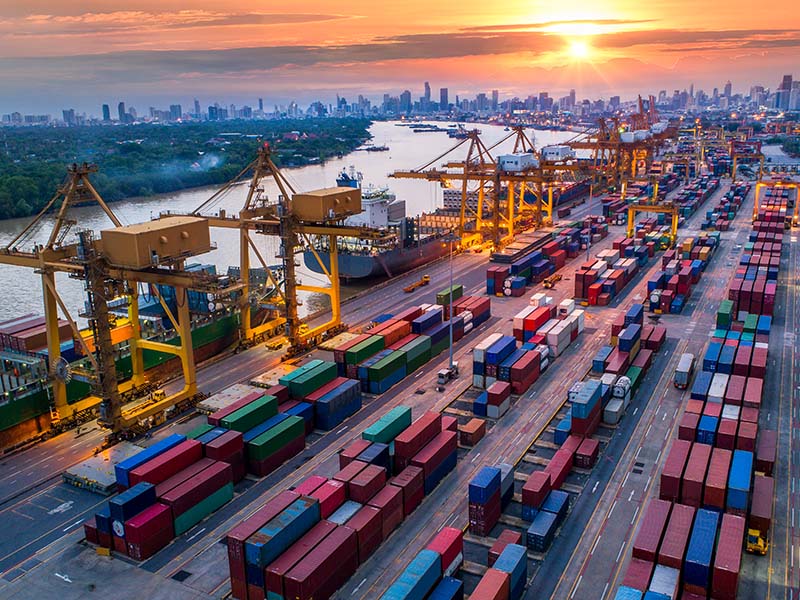
The movement of heavy machinery across the Gulf has never been straightforward. Oversized loads, border bureaucracy, port congestion — anyone who has coordinated construction equipment transport between the UAE and Saudi Arabia knows the friction involved. But something is shifting. New logistics corridors, upgraded road infrastructure, and deeper bilateral trade agreements are quietly rewriting the rules of heavy equipment shipping in the Middle East.
For contractors, dealers, and logistics managers operating across the GCC, understanding these changes isn't optional. It's a competitive advantage.
Introduction: Why UAE–Saudi Logistics Is at an Inflection Point
Bilateral trade between the UAE and Saudi Arabia already runs into tens of billions of dollars annually — and construction equipment accounts for a meaningful share of that flow. Saudi Arabia's Vision 2030 programme has unleashed a wave of infrastructure and real estate development that shows no signs of slowing. NEOM, the Red Sea Project, Diriyah Gate — these aren't just headline-grabbing megaprojects. They're generating sustained, large-scale demand for excavators, cranes, backhoe loaders, and everything in between.
The UAE, particularly Dubai and Abu Dhabi, serves as the primary import and redistribution hub for much of this equipment. That makes the UAE–Saudi logistics corridor one of the most commercially important machinery transport routes in the entire region. And right now, it's being upgraded.
New Trade Routes Overview: What's Actually Changing
The most significant development is the expansion and formalisation of overland corridors connecting UAE ports — primarily Jebel Ali — with key Saudi entry points including Batha, Al Ghuwaifat, and onward to Riyadh and the Western Region.
Jebel Ali remains the dominant gateway for heavy equipment arriving from Europe, Asia, and North America. From there, machinery moves overland — typically on lowbed trailers — through the UAE–Saudi border crossing at Al Ghuwaifat. This route has historically been subject to delays: permit backlogs, axle-load regulations, and inconsistent processing times at the border.
What's different now is the investment going into streamlining it. The GCC's broader push toward integrated customs systems is reducing paperwork friction. Saudi Arabia's Customs Authority has been upgrading digital processing at key border points. And new logistics parks on the Saudi side — particularly around Riyadh and the Eastern Province — are reducing the final-mile complexity that used to add days to delivery timelines.
There's also growing use of alternative routing through Oman and the Khorfakkan port on the UAE's east coast, which offers faster transit times for cargo destined for Saudi Arabia's Western Region. For heavy equipment dealers managing deliveries to Jeddah or Yanbu, this isn't just a curiosity — it can mean a meaningful reduction in transit time and cost.
Impact on Heavy Equipment Transport: What It Means on the Ground
For anyone moving construction equipment between the UAE and Saudi Arabia, these shifts have practical consequences.
Faster border clearance is the most immediate benefit. Where operators previously budgeted 48 to 72 hours for border processing on a standard lowbed shipment, improved digital coordination is cutting that window significantly on well-documented consignments. That matters when a project site is waiting on a motor grader or a 50-tonne excavator.
Route flexibility is another real gain. Logistics providers now have more viable options — direct overland via Al Ghuwaifat, sea freight through Jebel Ali to Dammam or Jeddah, or the emerging east-coast Oman bypass. Each route has different cost, time, and permitting implications. The ability to choose — and to switch when one corridor gets congested — is something that simply didn't exist five years ago.
That said, challenges remain. Oversized load permits in Saudi Arabia still require careful advance planning and coordination with the relevant authorities. Axle-load limits on certain road sections constrain what can move on a standard lowbed without additional approvals. And port congestion at Dammam can spike unpredictably during peak construction season.
The practical advice from experienced freight forwarders working this corridor is consistent: plan permit applications at least two weeks in advance, use a freight partner with established contacts on both sides of the border, and don't assume that what worked on your last shipment will work on the next one. Regulations evolve, and staying current is part of the job.
Conclusion
The UAE–Saudi trade route for heavy equipment is maturing. New logistics corridors, digital customs integration, and alternative port options are creating real efficiencies — but they reward operators who plan ahead and work with experienced partners. For construction equipment dealers and contractors navigating this market, the opportunity is clear: those who understand the logistics landscape gain a genuine edge in project delivery timelines and equipment availability.
The Gulf's construction boom isn't waiting. Neither should your supply chain.
Leave a reply