



Heavy Equipment Inspection Reports: What Plant & Equipment Checks Before Listing Used Equipment
 0 likes
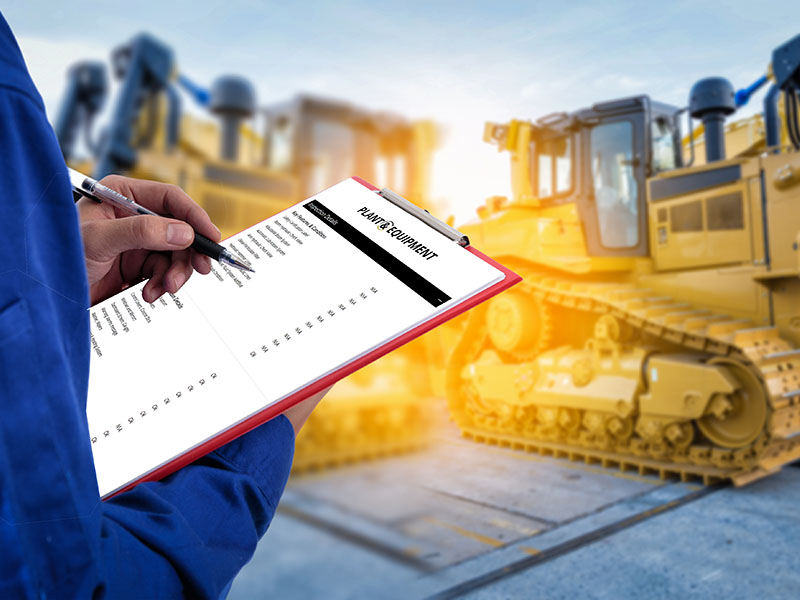
Buying used heavy equipment without an inspection report is a gamble - and in most cases, it's one that ends badly. A machine that looks clean in photos can hide a cracked engine block, worn hydraulic seals, or a transmission on its last legs. That's why inspection reports exist. And it's why Plant & Equipment makes them a central part of how used equipment is listed and sold on the auction platform.
This article breaks down exactly what goes into a Plant & Equipment inspection report, why it matters, and how it changes the experience of buying and selling used machinery.
Plant & Equipment Inspection Reports: The Foundation of Verified Listings
Not every platform that sells used equipment takes condition seriously. Many listings are little more than a photo, a price, and a seller's word. Plant & Equipment takes a different approach. Before a machine is listed as verified, it goes through a structured inspection process - one that covers the systems and components that actually determine whether a piece of equipment is worth buying.
The result is a condition report that gives buyers real information: what's working, what's worn, what needs attention, and what's been recently serviced. For international buyers especially - those purchasing machinery they can't physically inspect themselves - this kind of documentation isn't a bonus. It's essential.
What Is Included in an Equipment Inspection?
A Plant & Equipment inspection report is a systematic, point-by-point assessment of a machine's condition. It doesn't rely on a seller's description or a cursory visual check. It covers the mechanical, structural, and operational elements that determine a machine's true working condition - and it documents findings with notes and, where applicable, photographic evidence.
The number of inspection points varies by machine type, but a typical heavy equipment inspection covers several hundred checkpoints across all major systems.
Inspection Checklist
Engine
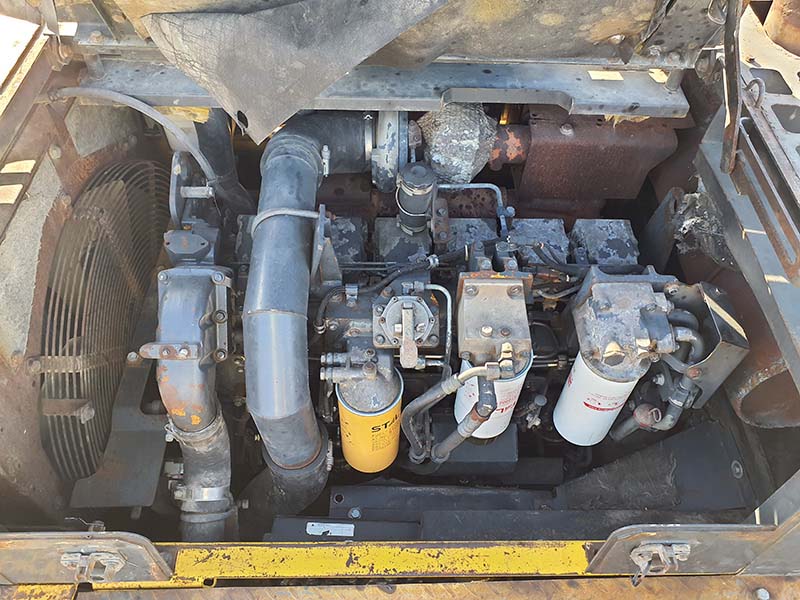
The engine inspection is the most critical section of any used equipment condition report. Inspectors check for oil leaks - at the head gasket, valve covers, sump, and ancillary components. The cooling system is assessed for leaks, coolant condition, and thermostat function. Belts, hoses, and the air filtration system are examined. The engine is run to check for smoke (blue, white, or black), unusual noise, and stable idling. Oil pressure and temperature readings are taken where accessible.
Fuel system components - injectors, fuel lines, filters - are also reviewed. Any signs of recent repair work or non-standard components are noted.
Hydraulics
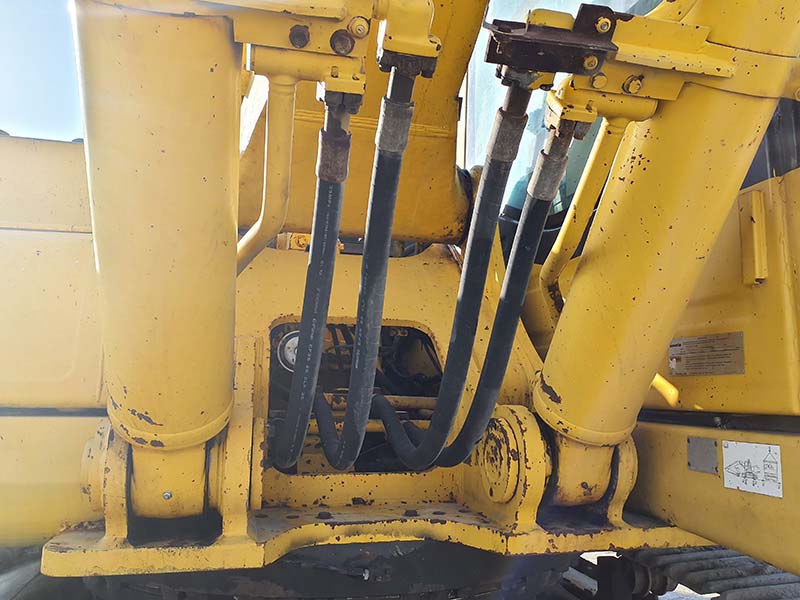
For most heavy equipment - excavators, backhoes, loaders, cranes - the hydraulic system is where performance lives and where wear tends to show first. The inspection covers hydraulic oil condition and level, pump performance, cylinder integrity (checking for seal leaks and rod scoring), hose condition, and valve function. All hydraulic functions are tested under load where possible: boom, arm, bucket, swing, blade, outriggers - whatever applies to the machine type.
Slow or jerky movement, pressure drops, and external leaks are all documented.
Powertrain and Transmission
The transmission, drive axles, differentials, and transfer case are assessed for fluid condition, unusual noise under operation, and smooth engagement across all gear ranges. On tracked machines, the final drives and sprockets are inspected. Driveline components - prop shafts, couplings, and joints - are checked for wear and play.
Tyres and Undercarriage
On wheeled machines, tyre condition is recorded - tread depth, sidewall integrity, any cuts, bulges, or uneven wear patterns. Rim condition is noted. Wheel bearing play is checked.
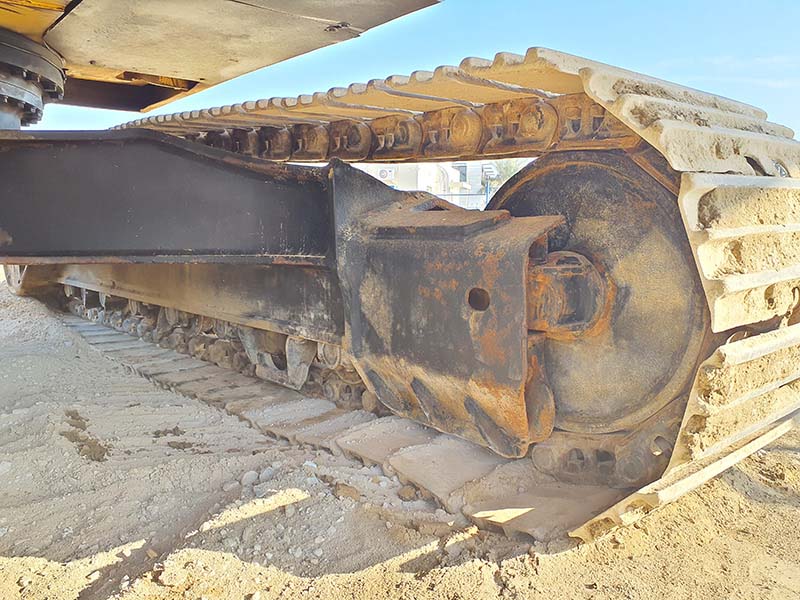
On tracked machines, track tension, pad wear, roller condition, idler wear, and sprocket tooth profile are all assessed. Undercarriage condition is one of the most expensive things to fix on a crawler machine - so it gets detailed attention.
Exterior and Structural
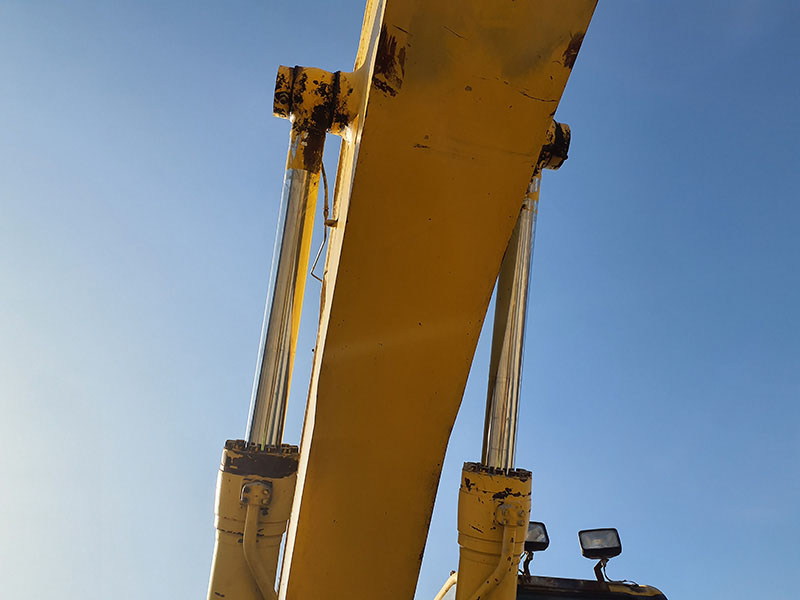
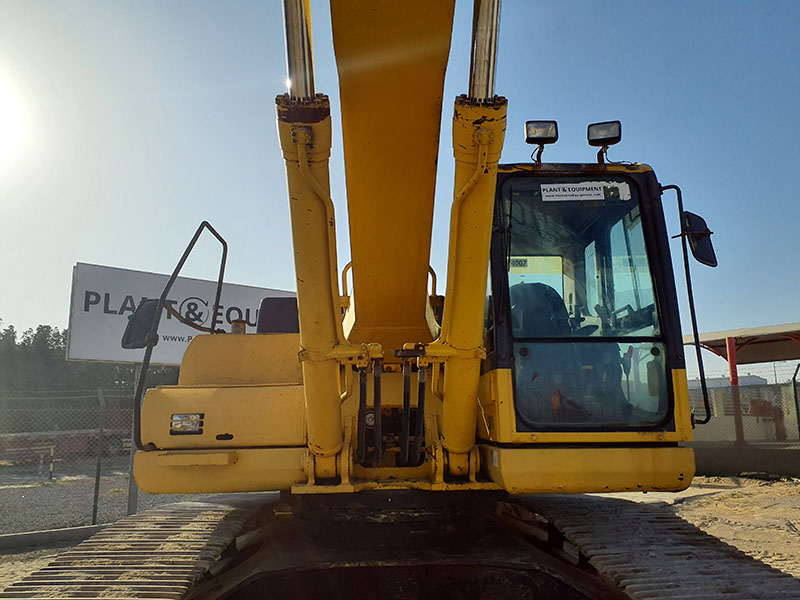
The machine's bodywork, cab structure, boom, dipper arm, chassis, and frame are inspected for cracks, welded repairs, corrosion, and impact damage. Any structural repairs are noted, along with an assessment of their quality. Lighting, mirrors, access steps, and safety equipment (fire extinguisher, warning lights, backup alarm) are checked.
Interior and Cab
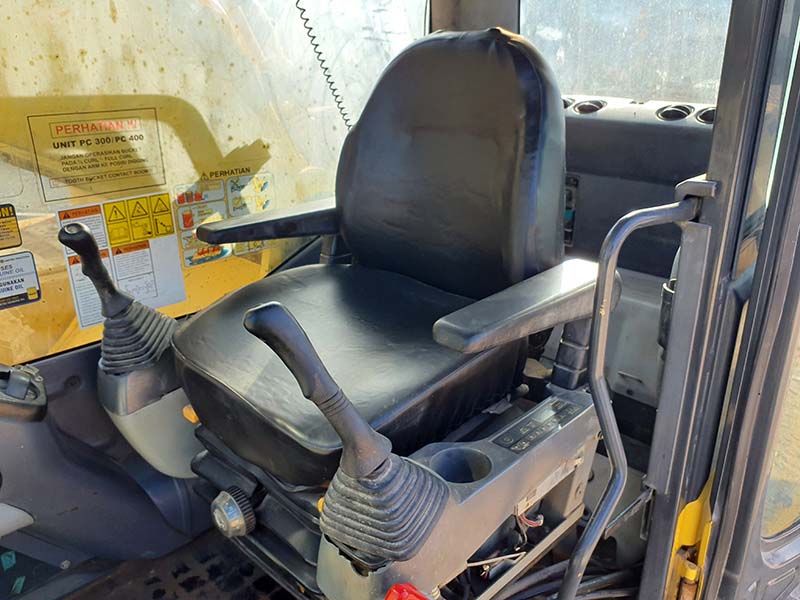
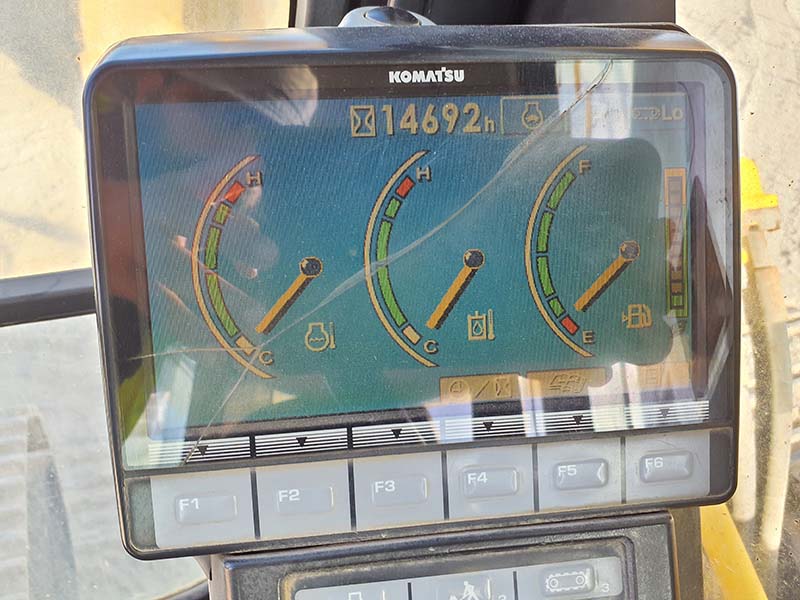
The cab inspection covers seat condition, all operator controls, dashboard instrumentation, warning lights and fault codes, HVAC function, visibility (glass condition, wiper operation), and door/latch function. Hour meter reading is recorded and cross-referenced with visible wear on high-contact surfaces - pedals, joysticks, armrests - as a basic verification check.
Functional Test
The machine is operated - not just started - to assess overall performance. Steering response, brake effectiveness, suspension behaviour, and all working functions are tested. Load handling, travel, and slew functions are observed. Any abnormalities during operation are documented in the inspection notes.
Why Inspection Reports Are Important for Buyers
The core problem with buying used equipment is information asymmetry. The seller knows the machine's history; the buyer doesn't. That gap is where expensive surprises live.
A detailed Plant & Equipment inspection report closes that gap. It gives buyers access to documented, third-party findings - not a seller's pitch. For buyers operating in the UAE or purchasing equipment internationally, this matters enormously. Flying to inspect every machine personally isn't practical. Relying solely on seller-supplied photos and descriptions carries obvious risk.
With a verified equipment listing and an accompanying inspection report, buyers can make decisions based on evidence. They know the engine's condition, the hydraulic system's state, the tyre life remaining, and whether any structural repairs have been carried out. That's the difference between an informed purchase and a gamble.
Inspection reports also support financing and insurance processes - many lenders and insurers require documented condition assessments before they'll engage on used equipment transactions.
How Inspection Reports Help Sellers
It might seem like rigorous inspection only benefits buyers - but sellers gain from it too.
A machine that comes with a comprehensive inspection report commands more buyer confidence, and buyer confidence translates to faster sales and stronger pricing. Sellers who list verified equipment on Plant & Equipment aren't just offering a machine - they're offering proof. That proof reduces buyer hesitation, shortens the negotiation cycle, and reduces the likelihood of post-sale disputes.
For sellers moving multiple machines, or those looking to reach international buyers who can't inspect in person, verified listings with full inspection reports aren't a nice-to-have. They're a commercial necessity. Equipment transparency is what makes remote buyers willing to commit. Buying Used Equipment with Confidence on Plant & Equipment.
Plant & Equipment is built around the principle that used machinery transactions should be based on facts, not faith. The inspection report system underpins that principle - giving both sides of a transaction a shared, documented understanding of what a machine actually is.
For buyers - whether they're contractors in the GCC, fleet managers in Southeast Asia, or equipment dealers sourcing stock internationally - the ability to access a detailed heavy equipment inspection report before purchasing is what makes Plant & Equipment a viable alternative to physically attending an auction or visiting a dealer yard.
The platform's inspection reports cover everything from oil leaks and cooling system condition to brake performance and cab instrumentation. They're not summaries. They're thorough, system-by-system assessments that reflect the actual condition of the machine on the day it was inspected.
That's the standard that equipment buying should be held to
Conclusion
An equipment inspection report isn't paperwork - it's protection. For buyers, it's the evidence needed to purchase with confidence. For sellers, it's the credibility that moves machines faster and at better prices. And for the used equipment market as a whole, it's the transparency that makes remote and international transactions viable.
Plant & Equipment's inspection process covers every major system - engine, hydraulics, powertrain, tyres, undercarriage, exterior, interior, and functional performance - because half-measures don't reduce risk. Complete, documented verification does.
Leave a reply