Construction Equipment
 Cranes
 Material Handling
 Trucks & Trailers
 Vehicles
 Agricultural Equipment
 Live Auctions
Post Date:
Apr 27, 2026
|

DP World Outlines Growth Of Multimodal Transport In Global Trade
DP World Outlines Growth Of Multimodal Transport In Global Trade
Post Date:
Apr 27, 2026
|
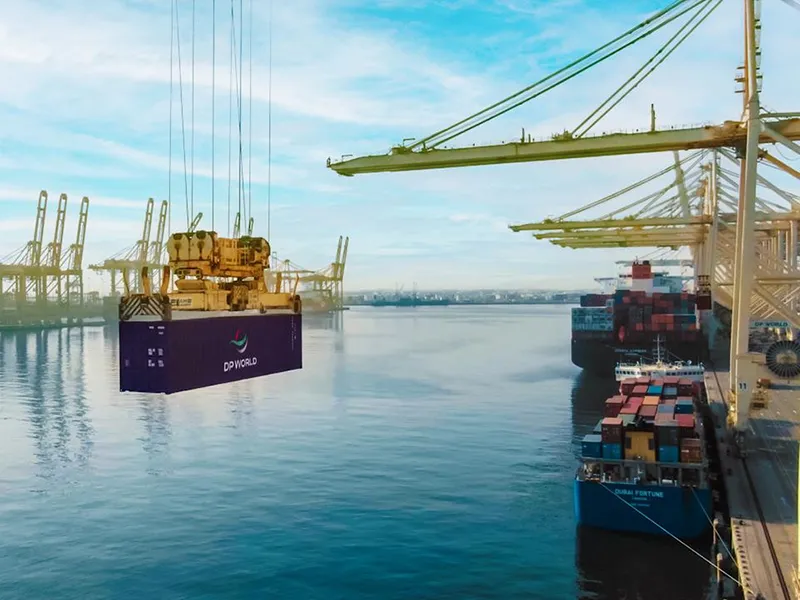
Dubai (PlantAndEquipment.com) - As supply chains continue to change, DP World has emphasized the growing significance of multimodal transport, which entails using a mix of sea, rail, and road under a single integrated logistics system.
The company describes how these interconnected networks are transforming the flow of commodities across geographies in a new whitepaper, assisting companies in navigating disruptions caused by geopolitical tensions, port congestion, and climate-related constraints.
The desire for quicker, more adaptable, and more transparent supply chains is expected to propel the worldwide multimodal transport industry to about $160 billion by 2032, an increase of more than $60 billion.
By connecting interior rail and road networks with coastal and feeder ships, this method enables the efficient movement of products from point of origin to point of destination via linked commerce corridors rather than distinct stages of transportation.
By linking more than 200 ports, supporting over 23,500 sailings a year, and managing almost 6 million TEU via its shipping operations, DP World is already putting this approach into practice across its network.
Smoother cargo movements beyond ports into regional markets are made possible by the growing integration of these marine services with inland transportation.